
No, it's better to remove the residue with a dry cloth and then wipe with isopropyl alcohol (at least 70%).
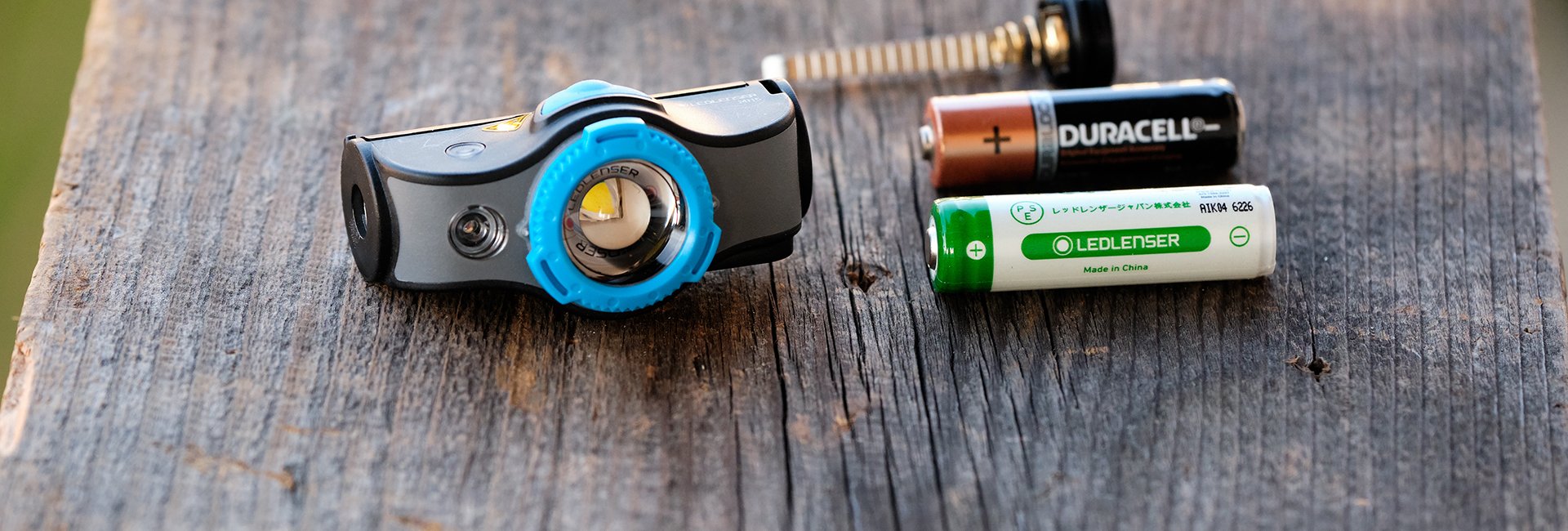
The most important facts about leaking batteries in brief
- You can recognize leaking batteries by white or brown crusts, green coating on contacts, stuck cells, or swollen lithium button cells.
- Put on gloves, carefully remove the batteries, dab off any residue, clean the contacts with isopropanol, and let everything dry thoroughly.
- Contact with leaking batteries irritates the skin, eyes, and respiratory tract. Rinse affected areas immediately with plenty of water and seek medical attention in an emergency.
- Batteries can leak even when the device is turned off, especially during long-term storage, deep discharge, heat, humidity, or when different cells are combined.
- Never dispose of batteries in household waste. Take them to a collection point, tape over the poles of lithium cells, and store them in non-conductive packaging until you can dispose of them.
How can I tell if a battery has leaked?
- White or gray coating on the terminals or in the battery compartment
- Brown, moist, or crystal-like residue—especially in zinc-carbon batteries
- Greenish coating on springs or contact surfaces (corrosion)
- Stuck or stuck-together batteries that are difficult to remove
- Bulging casing or strong chemical odor in lithium and button cells
- Damp spots inside the device
As soon as any of these signs become visible, you should stop using the batteries and start cleaning immediately.
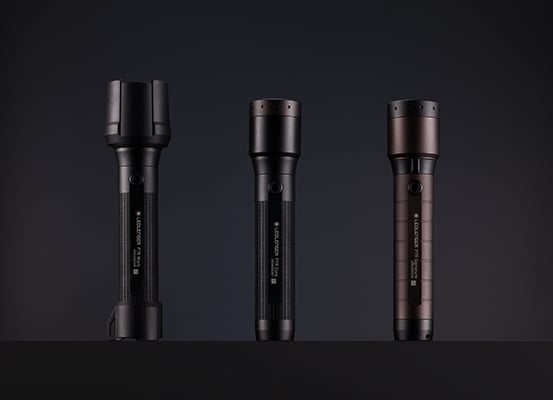
Instructions: How do I remove leaking batteries from a device?
If you notice that batteries in a device have leaked, immediately follow these steps:
- Protect yourself. Put on disposable gloves to avoid skin contact with the chemical residues.
- Turn off the device.
- Remove the batteries. Open the battery compartment and carefully remove the cells. Do not squeeze or damage them.
- Remove residues. Dab the leaked substances with kitchen paper or cotton swabs. Avoid rubbing or blowing to prevent particles from spreading.
- Clean. Wipe the contact surfaces and the battery compartment with isopropanol (at least 70%). Make sure that no liquid gets into the electronic components.
- Dry and test. Allow all parts to dry completely. Then insert new batteries and check whether the device is working again.
Can I still use my device if the batteries inside have leaked?
If you have cleaned the device thoroughly, there is no reason why you cannot reuse it. However, the leaked fluid may have corroded the metal contacts and other components, which could result in loss of function or irreparable damage. In this case, unfortunately, you will no longer be able to use it.
Is a leaking battery dangerous?
Leaking batteries contain chemicals that can irritate the skin, eyes, and respiratory tract. Alkaline batteries release basic substances, while zinc-carbon batteries tend to release acidic substances. Lithium and button cells contain electrolytes that may also be flammable.
Avoid skin and eye contact with leaking batteries
Always wear disposable gloves when removing batteries. Avoid touching your face with your hands while working with leaking batteries.
First aid measures in case of contact with leaking batteries
- Skin contact (touched a leaking battery): Immediately rinse the affected area with plenty of running water. Remove contaminated clothing and wash it separately.
- Eye contact: Rinse the eye under running water. Remove contact lenses, if present, and then seek medical attention.
- Inhalation of dust or vapors: Go into fresh air. If irritation persists, seek medical attention.
Special emergency: A child had a leaking battery in their mouth
If a child has had a battery in their mouth or has swallowed one, call 911 immediately or drive to the nearest emergency room. Do not try to remove the battery yourself and do not give the child anything to eat or drink. Take the packaging or an identical battery with you so that doctors know immediately what it is.
Why do batteries leak?
Batteries can also leak when the device they are in is switched off. Other reasons for leaking batteries:
- Very long storage in the device
- Deep discharge
- High temperatures, for example in a car in summer
- Moisture
- The use of batteries from different manufacturers or with different charge levels
- Poor-quality or old cells
Alkaline batteries have a zinc casing that can corrode over time. This produces gas, which increases the internal pressure. Eventually, the sealing ring gives way and the alkaline liquid leaks out.
Zinc-carbon batteries contain acidic electrolytes. With aging or heavy discharge, the casings can also be damaged, causing liquid to escape.
Lithium and button cells leak much less frequently, but can bulge or release electrolytes if damaged, severely overheated, or due to manufacturing defects.
How can I prevent batteries from leaking?
Follow these five basic rules to prevent batteries from leaking:
- Store them correctly: Store batteries in a cool, dry place. Protect them from direct sunlight and avoid extreme temperatures, such as those found in cars. Store loose batteries in a storage box so that the contacts do not touch each other.
- Only use suitable batteries: Only use batteries of the same type, from the same manufacturer, and with the same charge level in each device. Do not mix old and new cells.
- Remove batteries from devices during long periods of inactivity: Remove the batteries if you are not going to use the device for a long time. This will prevent them from leaking unnoticed.
- Check regularly: Check the devices at intervals for discoloration, residue, or unusual odors in the battery compartment.
- Maintain contact surfaces: Keep springs, threads, and contact surfaces clean. Lightly lubricate O-rings with suitable silicone grease to keep them supple and keep moisture out.
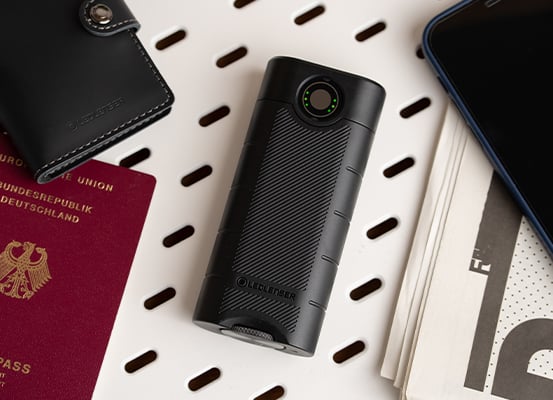
How do I dispose of leaked batteries?
Leaked or empty batteries should never be disposed of in household waste. They contain substances that can harm the environment and must therefore be collected separately.
You can return batteries free of charge to collection points in stores, supermarkets, drugstores, or municipal recycling centers. The collection containers are clearly marked.
For lithium batteries and rechargeable batteries, you should tape the terminals before transport to prevent short circuits. Store them in non-conductive packaging, such as a small plastic container, until you dispose of them.
If batteries are badly damaged or leaking, place them in a sealable bag or container before disposal. This will prevent liquid or residue from escaping.
Devices with permanently installed batteries, such as some headlamps or flashlights, belong in the waste electrical equipment collection. There they will be properly dismantled and recycled.
Protect your lamp with high-quality rechargeable batteries and batteries from Ledlenser
High-quality rechargeable batteries and batteries for flashlights, headlamps, work lights, and other lamps ensure that your devices last a long time. We only use high-quality cells that provide your lamp with optimal power and do not leak when used correctly.
- Batteries and rechargeable batteries for your Ledlenser lamps and other devices
- Power banks and battery boxes
- Chargers and cables for your Ledlenser products
The correct way to deal with leaking batteries
It is not unusual for batteries to leak if they have not been used for a long time or have been damaged. Although you can take some precautions to prevent leakage, it cannot be completely ruled out. An effective way to protect yourself is to buy high-quality batteries and handle them with care.
Devices in which batteries have leaked can be cleaned relatively easily and, in most cases, can continue to be used normally afterwards. However, you should be careful when handling the batteries and avoid touching them if possible, as they can cause skin irritation. Dispose of them properly at the designated battery collection points.
Leaking Battery – Frequently Asked Questions
Carefully remove loose crusts with a wooden stick. Then wipe with isopropyl alcohol. Light oxide deposits can be removed with a fiberglass pen or a soft eraser.
The residue can irritate skin and eyes. Rinse the affected area immediately with plenty of water. If irritation persists, seek medical attention.
This is an emergency. Call emergency services immediately (112) or go to the nearest emergency room. Do not attempt to remove the battery yourself, and do not give the affected person anything to eat or drink.
Especially when switched off, batteries can age through self-discharge. Chemical reactions inside lead to gas formation and pressure, which forces electrolyte outwards.