
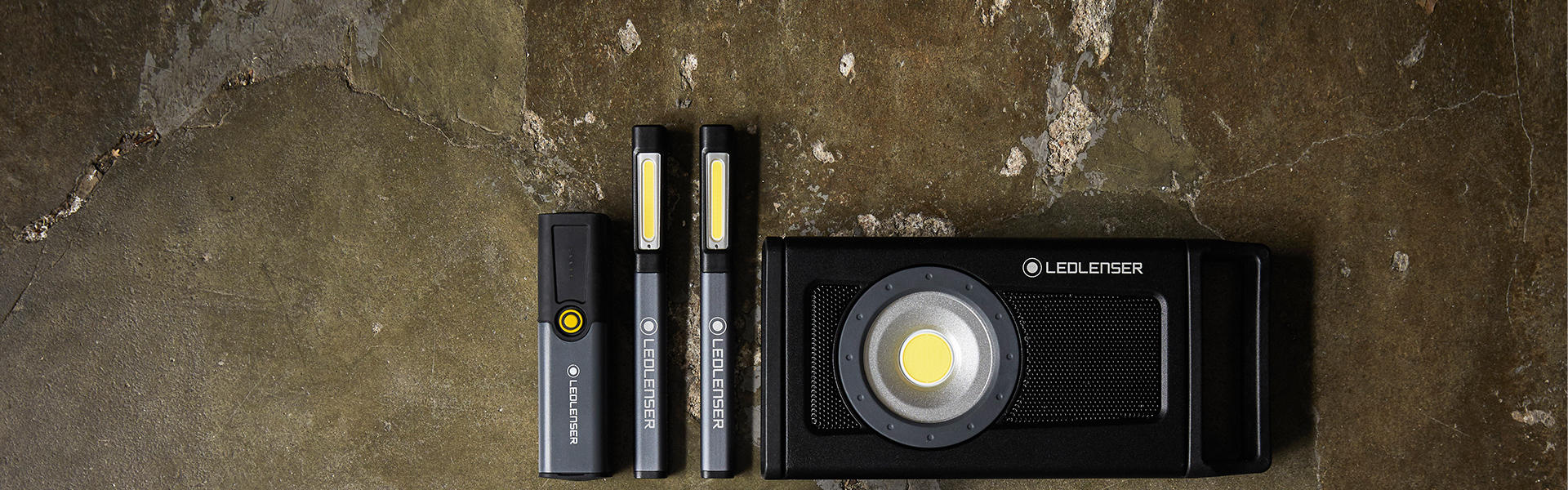
Mechanic’s headlamp: the essential tool for precision work
Every mechanic is familiar with this problem: ambient lighting is rarely sufficient, even under a vehicle, in an engine compartment or behind a hard-to-reach casing. Even in a well-equipped workshop, there are always poorly lit, inaccessible or confined areas. And when working on the road, in bad weather or in confined spaces, improvisation is often the order of the day. Yet in mechanics, every detail counts, and good visibility can make all the difference.
A mechanic’s headlamp is therefore not just an accessory, but a genuine tool. It enables you to detect subtle leaks, cracks, loose parts or signs of corrosion. Working in the dark increases the likelihood of errors, slows down repairs and can lead to costly damage. That is why many professionals now equip themselves with professional mechanic’s lamps designed specifically to meet these requirements.
The importance of good lighting in mechanics
Mechanics requires constant precision, often in less than ideal lighting conditions. Whether working underneath a vehicle, in an engine compartment or during an emergency repair, the available light is often insufficient. Good lighting not only makes the job easier, it also determines safety, speed and the quality of the result.
Working in confined and dark spaces
In mechanics, work is almost never carried out at eye level. Underneath a vehicle, in a wheel arch or behind an engine, space is often limited, making visibility virtually non-existent. In these conditions, a reliable and well-directed light source becomes essential. A powerful mechanic’s lamp allows you to remain focused and precise, and to avoid awkward movements caused by a poorly positioned lamp.
Many faults are difficult to detect without targeted lighting: a tiny leak, a worn seal, a loose nut… These details are not immediately obvious without close, directed lighting. Ambient lighting is not enough; only a focused light can reveal the real problems.
Quickly identify mechanical issues
The better a area is lit, the quicker faults are detected. A crack, a leak or a damaged cable is immediately visible, allowing them to be repaired more quickly. This helps reduce errors, unnecessary dismantling and the risk of small faults turning into major problems.
Good lighting, such as that provided by a powerful mechanic’s lamp, also reduces errors caused by inattention, such as incorrectly fitted parts, missed connections or inaccurate diagnoses, which are often due to poor visibility. Seeing clearly means working better and with greater peace of mind.
Key features of a mechanic’s lamp
A workshop lamp is about more than just its light output. It must withstand demanding working conditions, be easy to use, adapt to a variety of situations and, above all, be reliable. In a mechanical environment where every minute counts, it is essential to be able to rely on a high-performance, well-designed lamp. Here are the key criteria to consider before buying.
Light output and lighting modes
Not all tasks require the same light intensity. An inspection under the bonnet requires powerful lighting, whilst work on sensitive components may require a softer light. The ideal solution? A mechanic’s headlamp with multiple modes: wide beam, spot lighting, and variable intensity. This allows you to adapt without causing glare.
Battery life and fast charging
A good mechanic’s headlamp needs to keep up with the pace of the day. For continuous use, you should expect at least 4 to 6 hours of battery life on medium mode. Models with a USB-C port are preferable for fast charging. A battery indicator is also essential to avoid unpleasant surprises in the middle of a job.
Durability and resilience
Knocks, dust, oil splashes… nothing out of the ordinary in a workshop. That’s why a mechanic’s lamp must have a sturdy casing, be made from robust materials and have an IP54 rating or higher. This ensures durability even in harsh conditions and helps extend the lifespan of your equipment.
Versatile mounting
When both hands are full, a reliable mounting system makes all the difference. Powerful magnets, adjustable hooks, clips or headbands: all these solutions allow you to work with greater freedom. Headlamps for mechanics with swivelling or adjustable heads are even better suited to complex or confined spaces.
Types of torches for mechanics
Not all mechanical jobs require the same lighting. Depending on the task at hand (a quick inspection, precision work requiring both hands, or complex dismantling in a confined space), the ideal type of professional mechanic’s torch may vary. Here are the three most commonly used types in garages and workshops.
Compact torchlights
Easy to carry and quick to use, torchlights are a must-have in any toolbox. They allow you to focus on a specific spot in seconds, often feature a clip for attachment, and slip easily into a trouser pocket or tool pouch. Their versatility makes them the tool of choice for visual checks and minor diagnostics.
- Lightweight and easy to handle
- Quick to switch on, ideal for inspections
- Attaches easily to a belt or pocket


Headlamps for two-handed work
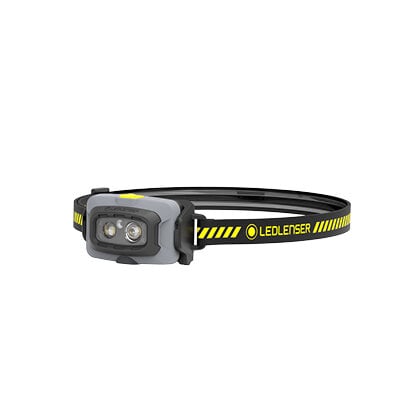
When your hands are occupied with a tool, a headlamp becomes essential. It provides constant, even lighting, follows the mechanic’s line of sight and stays securely in place, even during prolonged movements. Some models allow the light unit to be removed and attached to a metal surface, offering greater flexibility.
- Lighting focused on the work area
- Comfortable to wear for extended periods
- Ideal for mobile use or in the workshop


Foldable inspection lamps
Perfect for reaching inaccessible areas, these articulated lamps can be manoeuvred into even the tightest of spaces. They provide either side lighting or directional lighting, depending on the angle chosen, and are often fitted with magnetic bases or hanging hooks. They are suitable for confined spaces, such as under the dashboard or inside the engine compartment.
- Adjustable or swivelling head
- Easy to attach to any metal surface
- Ideal for diffused light in complex areas


Comparison: torch vs. headlamp
Not all workshop tasks have the same requirements. To choose the right light, you first need to determine what you need: flexibility, a hands-free solution, or concentrated light output. Torches and headlamps each have their own advantages, but also their limitations. Below, you’ll discover how the two types differ and in which situations they really come into their own.
Advantages and disadvantages of each type
Torches appeal due to their portability and focused light output. They allow great freedom of movement, often offer a long range and are ideal for quick visual checks. However, the main drawback is that one hand is tied up, which can be a hindrance when working with tools.
Headlamps, on the other hand, score points by allowing hands-free work and providing uniform illumination of the field of vision. They are ideal for long-duration tasks requiring concentration and freedom of movement. They are less suitable for quick checks, as putting them on and taking them off simply takes too long.
Recommended uses
In the workshop, the choice of torch often depends on the situation. A handheld torch is perfect for quick checks and frequent movement. A headlamp is ideal when you need to keep your hands free or require a steady light throughout a job. Using both together covers all your needs, from inspection to complex repairs.
Torch:
- Quick checks under the bonnet
- Visual inspections around the chassis
- Occasional jobs in the field
Headlamp:
- Extended periods of work with a tool in hand
- Work in confined spaces
- Working at night or in areas without ambient lighting
Selection of recommended models
Ledlenser offers a range of torches tailored to the needs of mechanics, from professional workshops to private garages. Here are the types of torches to choose depending on your needs, with an overview of the most important criteria for each model.
For automotive professionals
In busy workshops, you need a torch that is powerful, durable and easy to use. The lighting must be precise, the battery life long, and the torch easy to handle, even when wearing gloves. A robust construction is essential: it must withstand impacts, dust, oil and chemicals. Magnetic feet or hooks allow for hands-free use under the vehicle or in hard-to-reach places.

Conclusion – the right light for a job well done
Mechanical work demands precision and concentration, and reliable lighting is essential. Whether it’s a quick repair or a complex dismantling job, the right torch makes all the difference. Whether it’s a standard torch, a headlamp or a folding torch: each type has its advantages, provided it is suited to the actual task and robust enough.
At Ledlenser, our torches are designed to meet the demands of the field. They combine power, battery life, durability and ease of use. They are a tool in their own right for professionals and enthusiasts alike. Discover the quality of lighting designed for mechanics and choose a tool you can rely on every day.
Torches for mechanics – Frequently asked questions and answers
When working under a car, it is best to choose a flat, adjustable and powerful torch. Foldable models or those with a swivel head allow you to shine the light precisely without having to move the torch constantly. Multiple brightness settings are also useful depending on the angle or the area to be inspected.
Yes, provided you choose a model designed for heavy-duty use: sufficient battery life (at least 4 to 6 hours), fast charging via USB-C, a durable casing and the appropriate IP rating. A well-designed torch offers reliability and performance, even in the most demanding environments.
Some models allow the lamp to be detached from the headband and attached using a clip, a hook or an adjustable mount. This offers greater flexibility during complex tasks where wearing it on your head is impractical, whilst still providing a stable light source.
For close-up tasks, an output of 200 to 400 lumens is often sufficient. For larger or poorly lit areas, it is best to opt for an output of 500 lumens or more. A torch with multiple lighting modes allows you to adjust the brightness to suit your needs, without causing glare or leaving areas in the dark.
Lamps with swivel heads or articulated arms are ideal for narrow or awkwardly positioned spaces. They allow you to adjust the angle of the beam precisely, even from a fixed position. This means you don’t have to keep moving the lamp around and ensures that the light is directed exactly where it’s needed.