






For standard trails and forest paths, 150 to 300 lumens are sufficient. In open terrain or in foggy conditions, 1,000 lumens or more may be advisable. Children’s headlamps should be significantly dimmer, between 40 and 100 lumens. It’s important to choose a brightness level that won’t blind others, since younger children may not yet be as careful about the direction of the light.
Night Hike: Safety and Fun in a Group and with Children
A night hike combines experiencing nature with navigating in the dark. To ensure it’s safe and enjoyable, thorough preparation, proper lighting, and consideration for wildlife and the environment are essential. You can teach children mutual respect, an appreciation for nature, and mindfulness.
How do I plan a night hike?
A night hike will be safe and enjoyable if the route, timing, and conditions are carefully planned. Key factors to consider include lighting conditions, the terrain, and the weather. Ideal times include twilight, nights with a full moon or new moon, or the hours before sunrise. Familiarity with the terrain, proper lighting, and adherence to local regulations are essential.
Night hikes at twilight, during a full moon, or before sunrise
- Twilight: Starting shortly after sunset helps your eyes adjust to the darkness.
- Full moon nights: Provide additional ambient light, but still require your own lighting, especially for group games.
- New moon nights: Darker, so better suited for light games and experiments with children.
- Before sunrise: allows you to observe the first light of day; mornings are often cooler and more humid.
Night hike in the forest
- Use marked and familiar trails; do not venture into the underbrush.
- Check maps or GPS data in advance and keep them available offline.
- Watch out for roots, loose wood, and slippery sections.
- Avoid the forest during storms or strong winds.
- Stay on the trails in wildlife sanctuaries and nature reserves.
Weather, Temperature, and Terrain
- During a Night Hike Check current weather data and severe weather warnings.
- Fog, wet conditions, or dew can impair visibility and make it difficult to keep your footing.
- Fall leaves and frost increase the risk of slipping.
- Cold weather reduces the battery life of headlamps; therefore, carry spare batteries or rechargeable packs close to your body.
What equipment do I need for a night hike?
For a night hike, reliable lighting is the most important requirement, along with weather-appropriate clothing, navigation tools, and a basic supply of drinks and snacks.
Each person should have their own flashlight and carry extra batteries or rechargeable batteries as a backup. Layered clothing protects against temperature fluctuations, and a backpack containing a map, drinks, and emergency gear is standard equipment.
Lighting for Night Hikes
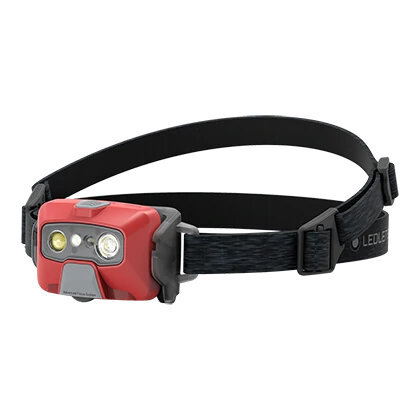
- Headlamp: Keeps your hands free and provides even illumination of the trail. Models with adjustable angles and multiple brightness settings make it easier to adapt to the terrain and surroundings.
- Flashlight: Serves as a backup or for targeted illumination. A focusable beam helps with trail markers or obstacles.
- LED lantern: useful for breaks, orientation at meeting points, or setting up in the tent area.
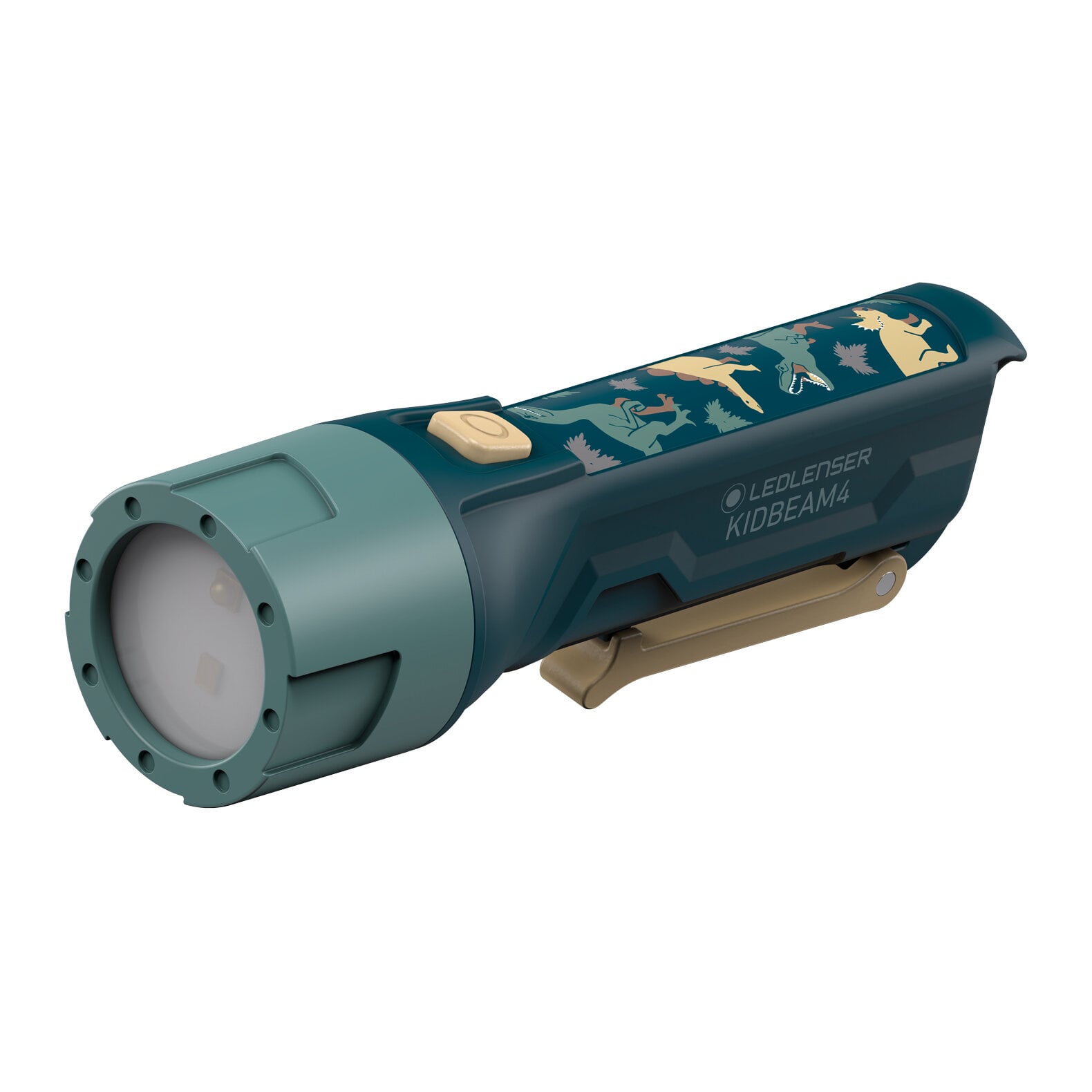
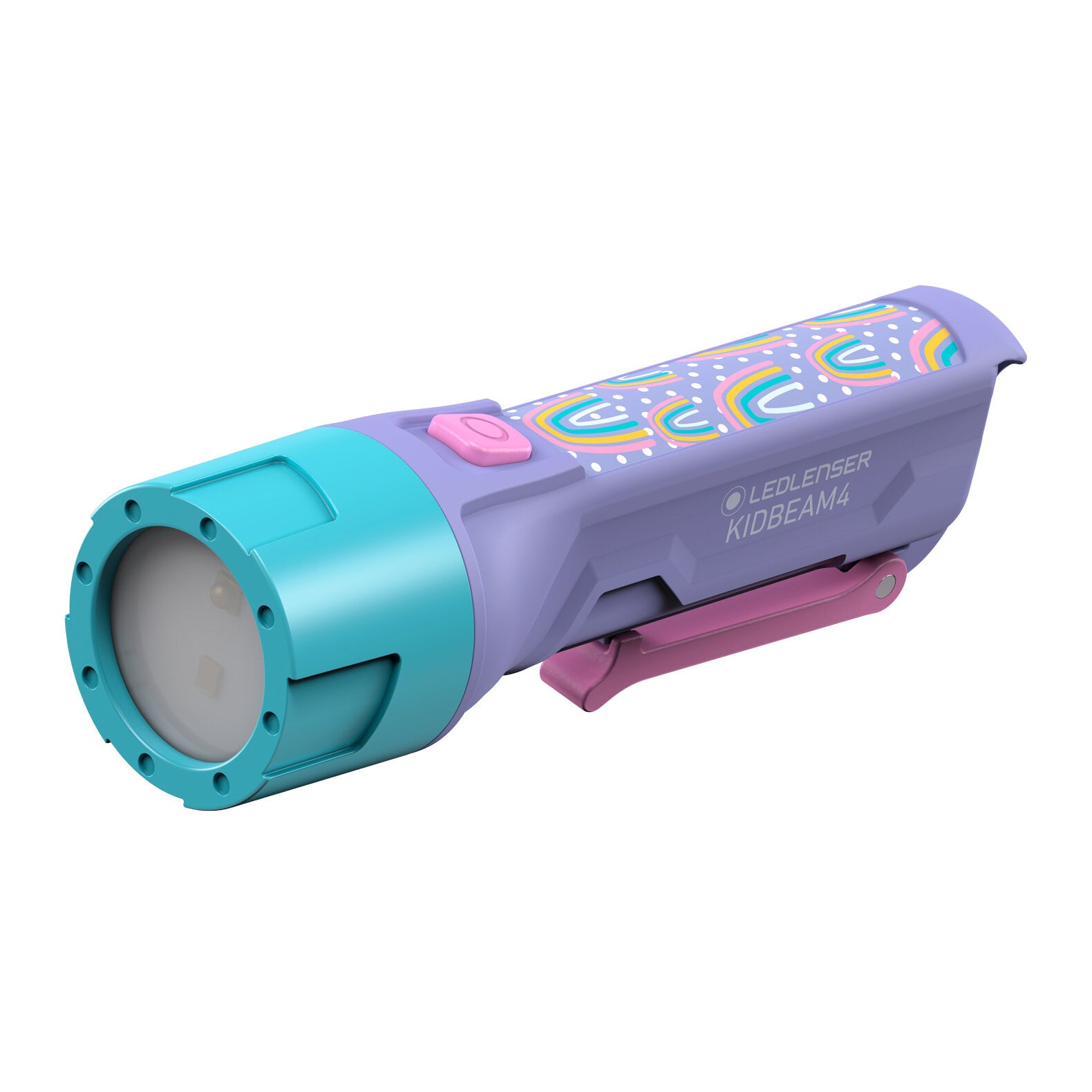
- Children’s lamps: should be lightweight, have low brightness settings, rounded edges, and a secure battery compartment.
- Power supply: bring charged rechargeable batteries or spare batteries, as well as a power bank.
Clothing and protection for night hikes
- Layered clothing (layering principle) for varying physical exertion.
- Waterproof, breathable jacket.
- Hat, scarf, and light gloves in cool weather.
- Long pants to protect against ticks, mosquitoes, and thorns.
- Sturdy shoes with treaded soles and good traction.
Navigation and Safety
- Map, compass, or GPS device, ideally one that can also be used offline.
- Cell phone with a charged battery and saved emergency numbers.
- Whistle or reflective tape for marking your position.
- Small first-aid kit, including band-aids, bandages, and a survival blanket.
- Personal medications and insect repellent as needed.
Food and Energy
- Water or unsweetened tea; the amount depends on the length of the route.
- Light, high-energy snacks such as nuts or dried fruit.
- A thermos with a hot beverage in cold weather.
How do I plan a night hike with children?
A night hike with children will be a fun and memorable experience if the route, pace, and activities are tailored to their age. Set clear rules for the children, ensure adequate lighting, and take plenty of breaks. Games capture their attention and help them become more aware of their own senses and the natural world. They turn the night hike into a shared learning experience.
Planning and Preparing a Night Hike with Children
- Adjust the route length to the children’s fitness level and age; opt for short loop trails or familiar forest paths. Trails that can be shortened if necessary are ideal, so that parts of the group can return home without a long walk back.
- Choose a start time so that the hike begins while it is still twilight.
- Each child should have their own flashlight, preferably lightweight and with reduced brightness.
- Select clothing and footwear appropriate for the weather; have warm clothes for breaks or a change of clothes on hand.
- Discuss emergency numbers and meeting points together before starting.
Safety and Group Structure
- Have children walk between adults; do not allow anyone to walk alone.
- One person leads, another brings up the rear.
- Maintain visual contact at all times; attach reflectors to clothing or backpacks.
- Agree on clear signals for “Stop,” “Gather,” and “Turn off lights.”
- Use regular breaks for rest and orientation.
Rituals and Observation
Start the hike with a brief preparation moment: Everyone checks their headlamps, turns them on at the same time, and sets the brightness to a comfortable level. This lets the children know the hike is starting. Remind them not to shine their lights directly into each other’s eyes.
During the hike, it’s a good idea to take short breaks regularly. When you turn off the headlamps, the surroundings immediately feel quieter, as the children’s attention shifts and they perceive sounds more intensely. The crackling of wood, rustling leaves, or the wind in the forest heighten their awareness of nature at night.
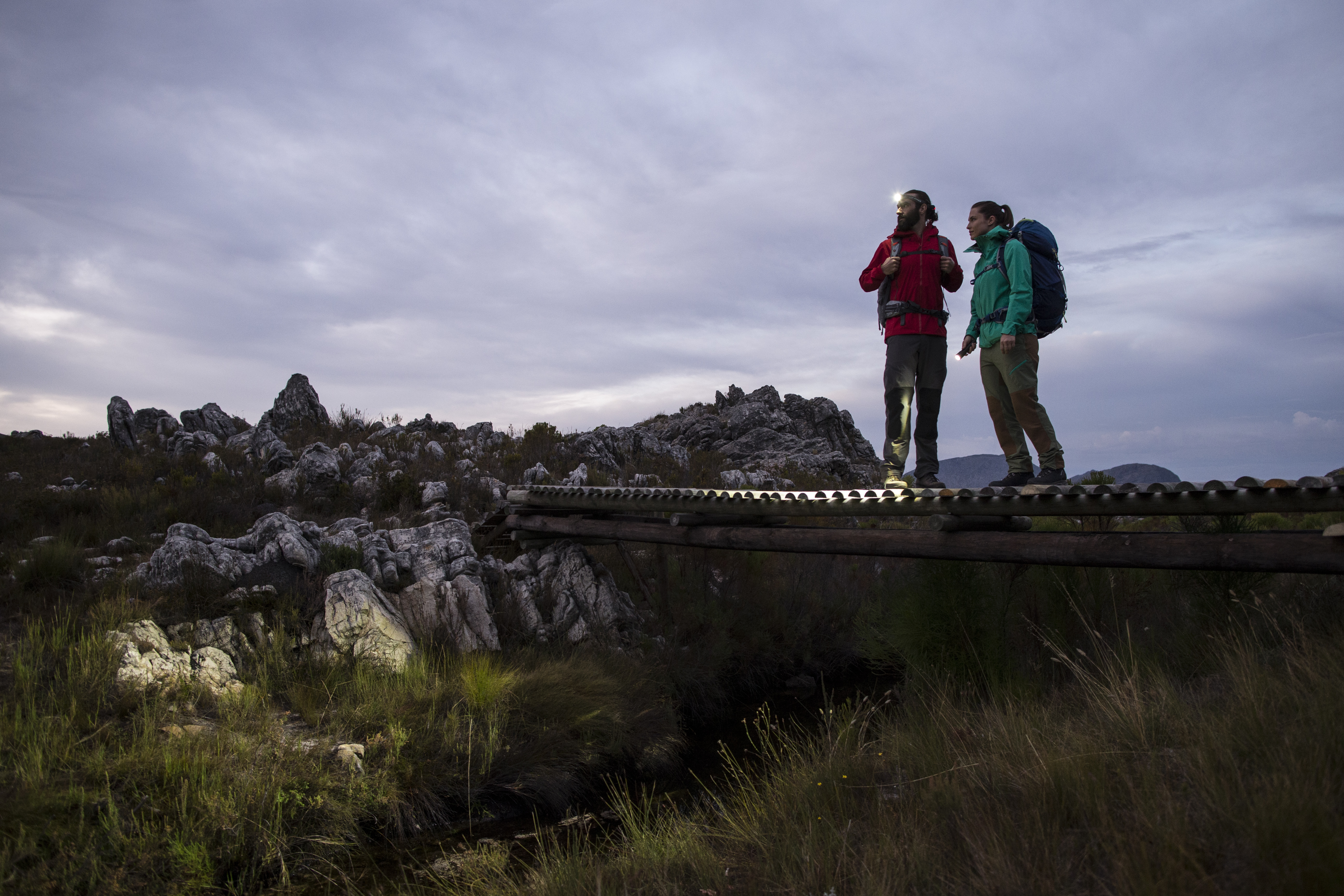
If the sky is clear, you can gaze at the stars with the children. Constellations, the moon, or passing clouds provide opportunities for simple explanations and questions. Moments like these have a calming effect and spark an interest in even the simplest natural phenomena.
At the end of the hike, you can revisit the light ritual. When everyone turns off their flashlights at the same time, it marks the conclusion and conveys a sense of togetherness and closure to the shared experience.
Behavior and Consideration
- Teach children to treat animals and plants with respect.
- Do not run or jump in the dark; watch your step.
- Speak quietly so as not to startle wildlife.
- Pick up and take your trash with you.
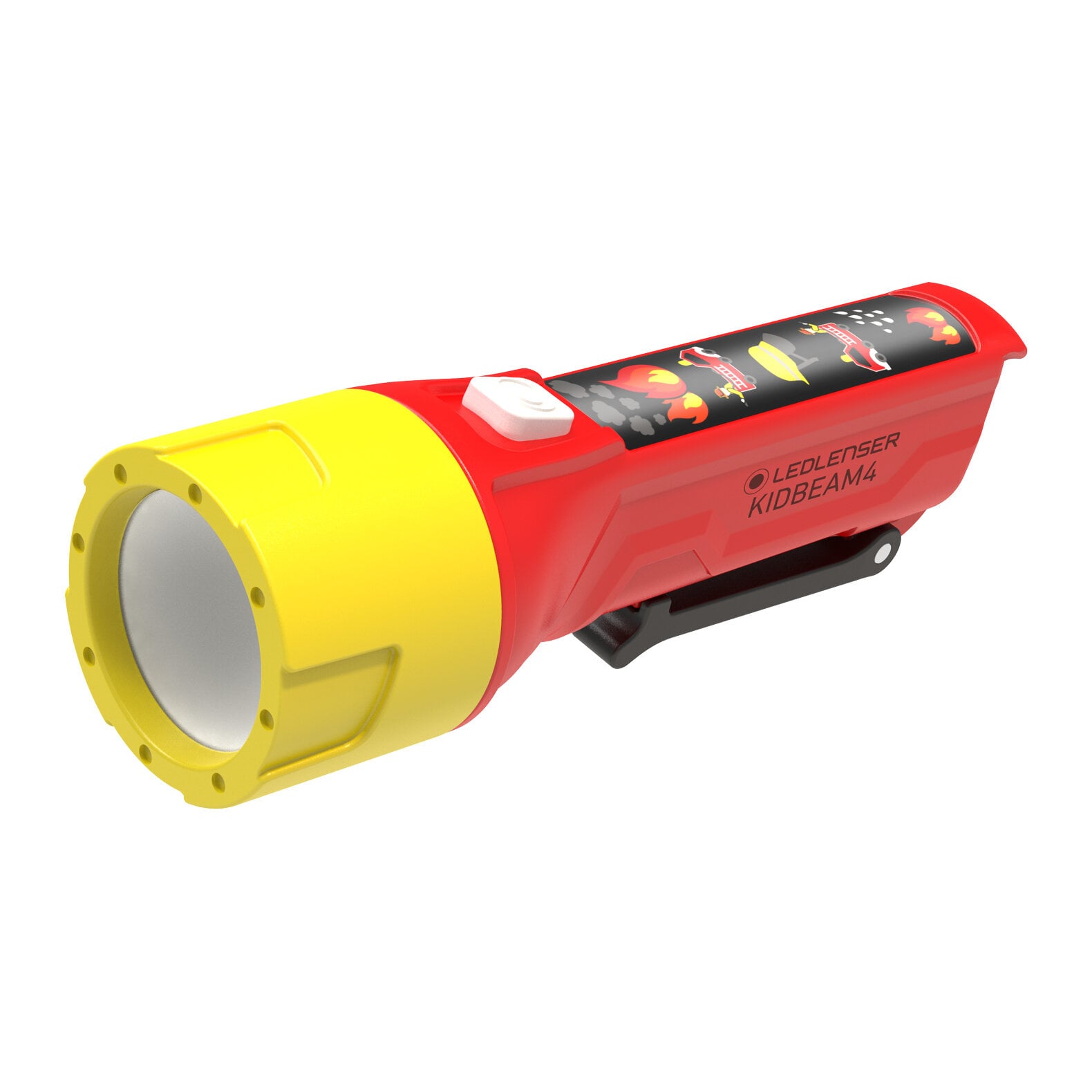
Children's lamps must be safe, easy to use, and adapted to the visual habits of young users. Headlamps and LED lanterns are considered particularly suitable because they leave both hands free. The lanterns also produce a soft, glare-free light.

Children's Flashlights
With their own flashlights, children can explore nature on their own, shine light into burrows and tree hollows, and find their own way. They are a popular toy and, at the same time, a tool for learning how to interact considerately within a group.
Headlamps for Children
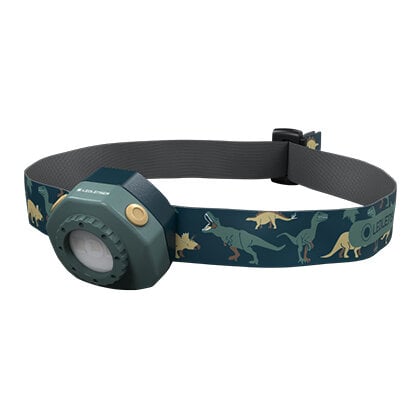
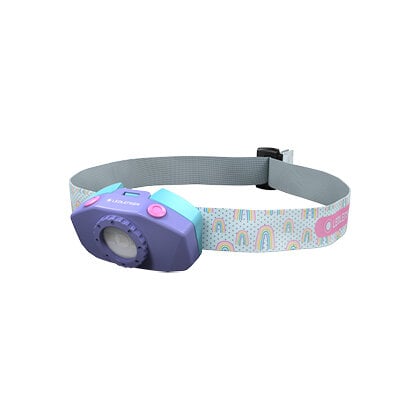
Headlamps provide even illumination in the direction of vision and make it easier to navigate forest trails. For children, a lightweight design is important so they can wear the lamp comfortably. Recommended features include:
- Light output: approximately 40 to 150 lumens.
- Light modes: White light and, if applicable, red light.
- Visibility: Reflective elements and rear lights increase visibility within the group.
- Power source: Batteries or rechargeable batteries that are easy to replace.
LED Lanterns for Children
Children's lanterns emit an even, diffused light. They can be attached to clothing or a backpack. They also serve as position lights to help you see where all the children are.
- Brightness: maximum of about 60 lumens to prevent glare.
- Safety: shock-resistant housing (e.g., ABS plastic) and tested drop height of up to 1.5 meters.
- Weather resistance: at least IP44 rating for outdoor use in drizzle and rain.
- Operating time: long runtime without needing to replace the battery or rechargeable battery
What games are suitable for a night hike with children?
Games make a night hike fun and exciting for children. By choosing the right activities, children learn in a playful way how to find their way in the dark and use light responsibly. It’s important that every game can be played safely and doesn’t harm the natural environment. The following ideas use light as a tool for play and add variety to the hike.
UV Treasure Hunt
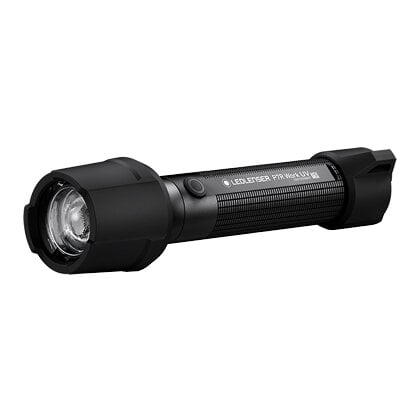
Place fluorescent game pieces or markers along the path beforehand. The children search for them using UV lamps and share their discoveries with each other. Make sure no one looks directly into the beam of light. This helps the children learn to use light safely and look out for one another.
Suitable UV-light lamps: P7R Work UV flashlight and W7R Work work light.
Light and Shadow Games
Using headlamps or a small lantern, you can cast shadow figures onto rocks, trees, or a stretched-out tarp. Children can guess which shapes are being projected or create their own little scenes.
Reflector Rally
Place a few reflective markers along the path in advance. The children search for them with their lights and automatically follow the designated path. This activity trains attention and orientation. You can explain why reflectors are so important in traffic and how they reflect light.
Morse Code or Signal Language
Show the children simple light signals, such as the first letter of their first name in Morse code or the alpine distress signal. Short exercises with flashlights are fun and teach useful skills at the same time. If you agree on a shared signal—for example, three short flashes for “stop”—it strengthens communication within the group.
Sound Detectives
Turn off all the lights and ask the group to listen for sounds in their surroundings. Then have each child describe what they heard: rustling, water, wind, or animal sounds. You can then explain which animals are active at night and how to observe them without disturbing them.
Lights for the night hike
What kinds of quiz questions are suitable for a night hike?
Quiz questions keep the group engaged and teach them about nature, navigation, and light. If you ask them during short breaks or at gathering points, the children will stay focused and interested. Multiple-choice questions work particularly well because they’re easy to understand. The topics can be based on the surroundings: the forest, the sky, animals, or lighting technology.
Preparation and Procedure
Prepare some question cards before the hike. If you’re hiking in a group, you can take turns leading the quiz.
Quiz Questions for Night Hikes
Which animals are primarily active at night?
a) Deer and fox
b) Woodpecker and hare
c) Blackbird and butterfly
Why do cats’ eyes glow when they’re in the light of a flashlight?
a) Because of a reflective layer in their eyes
b) Because they generate light themselves
c) Because their fur reflects light
How should you behave if you see a wild animal on the trail?
a) Shine a light on it and take a picture
b) Keep your distance and stay calm
c) Make noise to scare it away
Which direction does the North Star point to?
a) South
b) East
c) North
Why is it better to stay on familiar paths?
a) Because they are safer and easier to recognize
b) Because it would otherwise be boring
c) Because there are no animals there
How can you find your way without a compass when the sky is clear?
a) By the North Star or constellations
b) By the color of the trees
c) By the sounds in the forest
Safety: Which emergency number do you dial if someone is seriously injured?
a) 114
b) 112
c) 116117
What do you do if you get lost at night?
a) Keep moving and look for a new path
b) Stay at the last known location and wait for help
c) Turn off your flashlight and wait
Night Hike – Frequently Asked Questions
A headlamp is practical because it leaves your hands free and directs the beam of light in the direction you’re looking. A flashlight serves as a supplement and for games. A small LED lantern is helpful for breaks and group activities. Children should be given lights that are lightweight and have a shock-resistant housing.
The best lighting conditions are at dusk or during a full moon. However, if you plan to capture the play of light and/or observe the starry sky, you should choose nights with a new moon and stay away from towns and roads.
Stay calm and back away slowly. Do not shine a light on or chase animals. Avoid making noise or sudden movements. In areas with wildlife, it is advisable to stay on the trails and avoid entering the forest at certain times (e.g., during the spring breeding season).